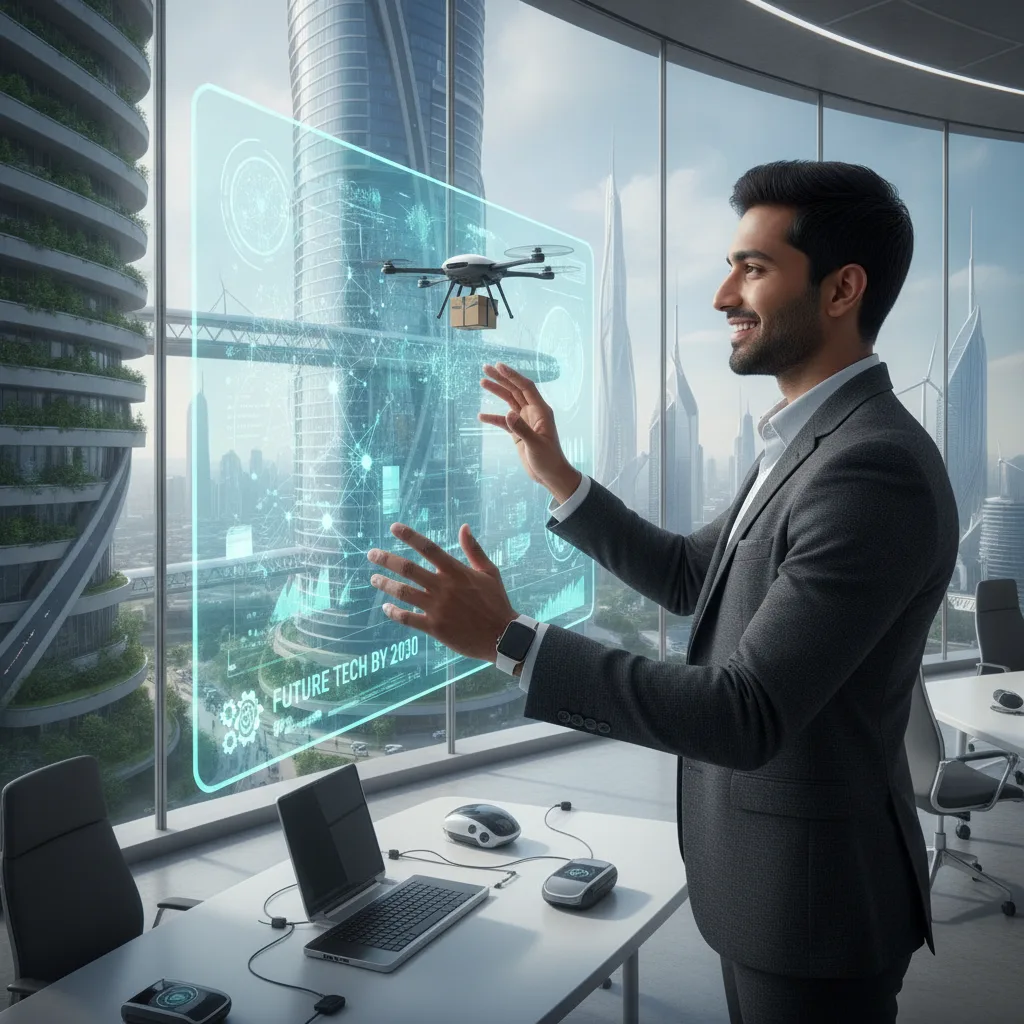
2030 Tech: The Myth of Hyper-Advanced AI & VR Worlds
Don't expect a sudden tech revolution by 2030. Learn why hyper-advanced AI and ubiquitous virtual worlds remain distant, despite industry leaders' visions.
The Myth of the Future: What Tech Won’t Quite Deliver by 2030
Many tech forecasts for 2030 promise hyper-advanced AI, virtual worlds everywhere, and self-driving cars for all. Industry leaders often push these utopian dreams. But 2030 isn’t a sci-fi movie. The truth is much more down-to-earth. We’ll see big, but steady, tech improvements. Don’t expect a sudden revolution.
Big tech companies like Google, Meta, and Apple push these grand visions. They pour money into R&D, then sell us dreams of tomorrow. These giants operate from places like Silicon Valley and Shenzhen. They shape what we expect from tech. Today, AI grows fast. Mobile computing is everywhere. XR tech is just starting. These things drive innovation now. But their promised impact by 2030 usually ignores how long things actually take.
AI’s evolution: more assistants, fewer overlords
Many people think Artificial General Intelligence (AGI) will run our world by 2030. They imagine autonomous systems managing huge parts of society. This idea comes from the quick growth of large language models and generative AI. But it misunderstands how AI really works. AI will get better, yes. It will still be specialized.
Andrew Ng, an AI pioneer, keeps saying AGI isn’t near. He points out that today’s AI only does well at specific tasks. Stanford University’s Human-Centered AI (HAI) institute backs this up. Their AI Index Report 2023 shows huge AI investments. It also details big limits in general reasoning and common sense. Large Language Models (LLMs) still “hallucinate.” They create outputs that sound right but are wrong.
Training advanced AI models costs a fortune. OpenAI’s GPT-4, for example, cost tens of millions to train. These prices stop quick, widespread use. By 2030, expect smarter personal assistants and better data tools. But people will still need to watch over AI in almost every job.
Autonomous vehicles: the road to reality is paved with problems
Many expect fully self-driving cars, Level 5 autonomy, to be common in cities by 2030. Level 5 means no human driver, ever. This dream has been at car shows for years. But getting these cars on the road faces huge problems.
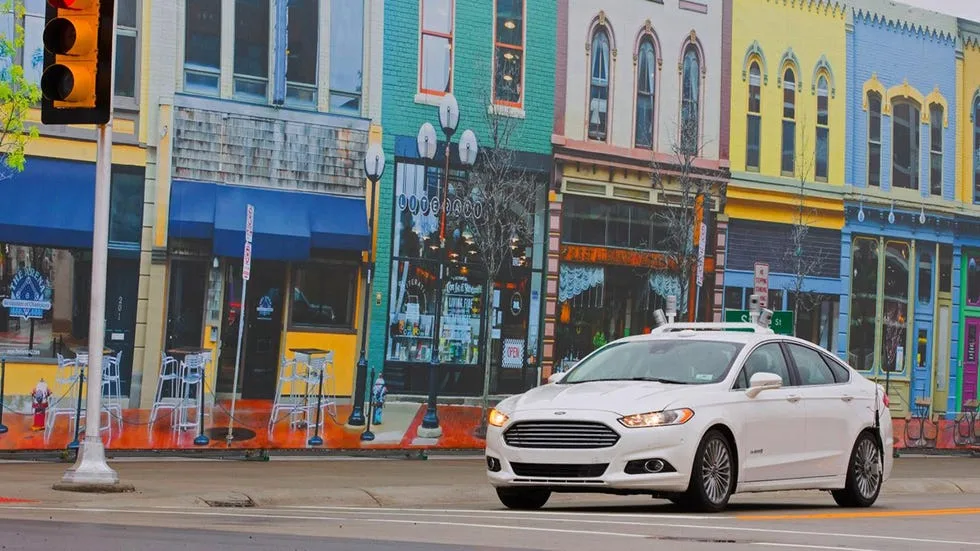
A Level 5 autonomous vehicle, like this prototype, represents the ultimate goal of self-driving technology: a car capable of operating completely without human intervention in all conditions. Despite being a staple at car shows for years, the path to widespread Level 5 deployment by 2030 faces significant technical and regulatory hurdles. (Source: autoweek.com)
Level 4 autonomy works without human drivers in certain, mapped areas. It will grow slowly. Waymo runs self-driving cars in Phoenix, Arizona. Cruise, a top company, stopped all U.S. operations in October 2023. This happened after one of its cars dragged a pedestrian. California then suspended Cruise’s operating permit. The event showed ongoing safety and rule problems.
A 2023 McKinsey & Company report points out big hurdles for self-driving cars. Rules are complex, and people worry about safety. Technical problems remain, too. Bad weather, unexpected human actions, and endless “edge cases” still confuse AI systems. By 2030, robo-taxis might grow a bit in sunny, well-mapped cities. But for most of us, we’ll still drive our own cars.
The metaverse and XR: niche worlds, not universal realities
Many think VR and AR will ditch our screens by 2030. They imagine a single “metaverse” where everyone lives, works, and hangs out. Companies like Meta push this big vision for human interaction. But today’s trends point to a much smaller future.
VR and AR will grow, sure. But it will stay a niche tech, not something everyone uses. Its main uses will be in specific jobs. Meta’s Reality Labs, which builds the metaverse, has lost a ton of money. The division dropped over $40 billion since early 2020. That’s huge spending for tiny gains.
Statista expects about 15% of people to use VR/AR globally by 2027. That’s nowhere near universal. Headsets cost too much. They’re uncomfortable for long use. And there aren’t many must-have apps beyond games. Apple’s Vision Pro, a fancy AR/VR headset, costs $3,499. That price kills its chance for mass appeal. By 2030, we’ll probably have better VR games and training tools, like for surgery. But your phone or laptop will still be your main screen for most of your day.
Biotech and personalized medicine: progress, but not a magic bullet
Many stories claim gene-editing, like CRISPR, will cure most genetic diseases by 2030. They also say personalized medicine will be standard, making sickness rare. This dream promises a future free from inherited conditions. Gene editing and custom therapies do show huge promise. But putting them to widespread use hits big walls: ethics, rules, and money.
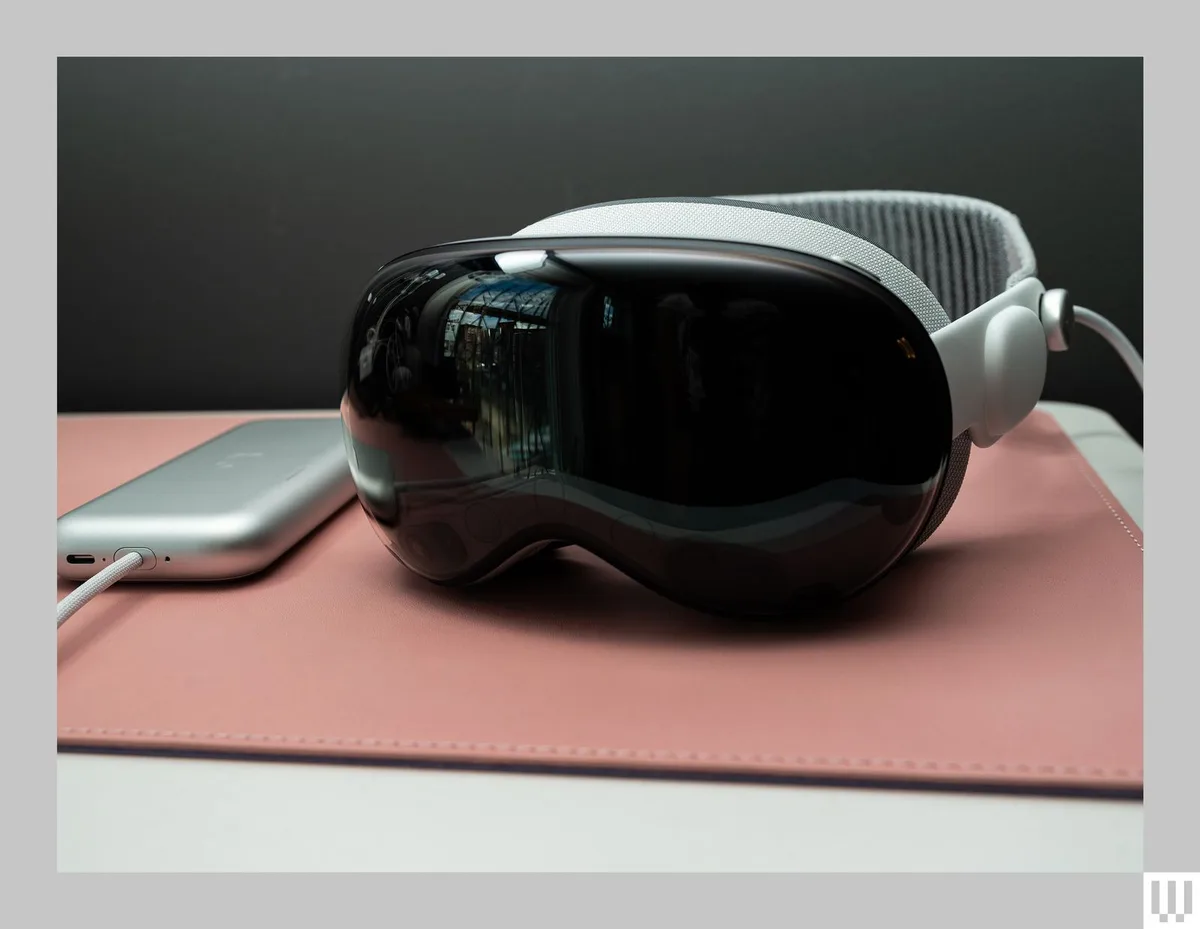
The Apple Vision Pro, an advanced mixed-reality headset, launched in early 2024 with a starting price of $3,499. Its high cost is a key factor cited in the article for why mixed reality technologies will likely remain a niche market rather than achieving universal adoption by 2030. (Source: wired.com)
Casgevy, the first CRISPR treatment, got approved for sickle cell disease in late 2023. This was a huge science win. But Casgevy costs $2.2 million per patient. That outrageous price means most people can’t get it. Gene therapy trials take forever and cost a fortune. The FDA’s tough approval process keeps us safe. It also makes new treatments roll out slowly.
Ethics also slow things down. Germline editing, changing genes in eggs, sperm, or embryos, is still very controversial. People worry about accidental changes passed down generations. This limits its use. By 2030, we’ll see wins for rare diseases. Better cancer therapies will also appear. These will mostly help people who can pay for them. Public health problems like infections and chronic illnesses, sadly, won’t disappear.
Beyond the hype: the quiet revolutions of 2030
The best tech changes by 2030 won’t be headline-grabbing. Instead, they’ll show up as steady upgrades to what we already have. They’ll subtly change how we use data. This progress will be an evolution, not a revolution. But it will help us a lot. The future often happens quietly.
Think about energy and new materials. The International Energy Agency (IEA) sees huge growth in global renewable energy by 2030. Government support and cheaper solar and wind power drive this. No single “magic” energy tech will do it. This quiet energy shift will change the world. We’ll also get better materials. They’ll make products lighter, stronger, and greener everywhere.
Cybersecurity will get stronger. It will blend into every digital bit. Cloud computing will keep growing, giving us tougher, easier-to-reach computer power. Gartner’s 2024 tech predictions focus on real-world AI and automation. They point to AI tools that are easier to use, and to automated systems that can act on behalf of users or businesses. Routine tasks will happen automatically. These changes aren’t as flashy as AGI, but they’ll be far more common. By 2030, our lives will get better. It will happen through constant small tweaks and existing tech working together. Expect things to evolve, not explode.
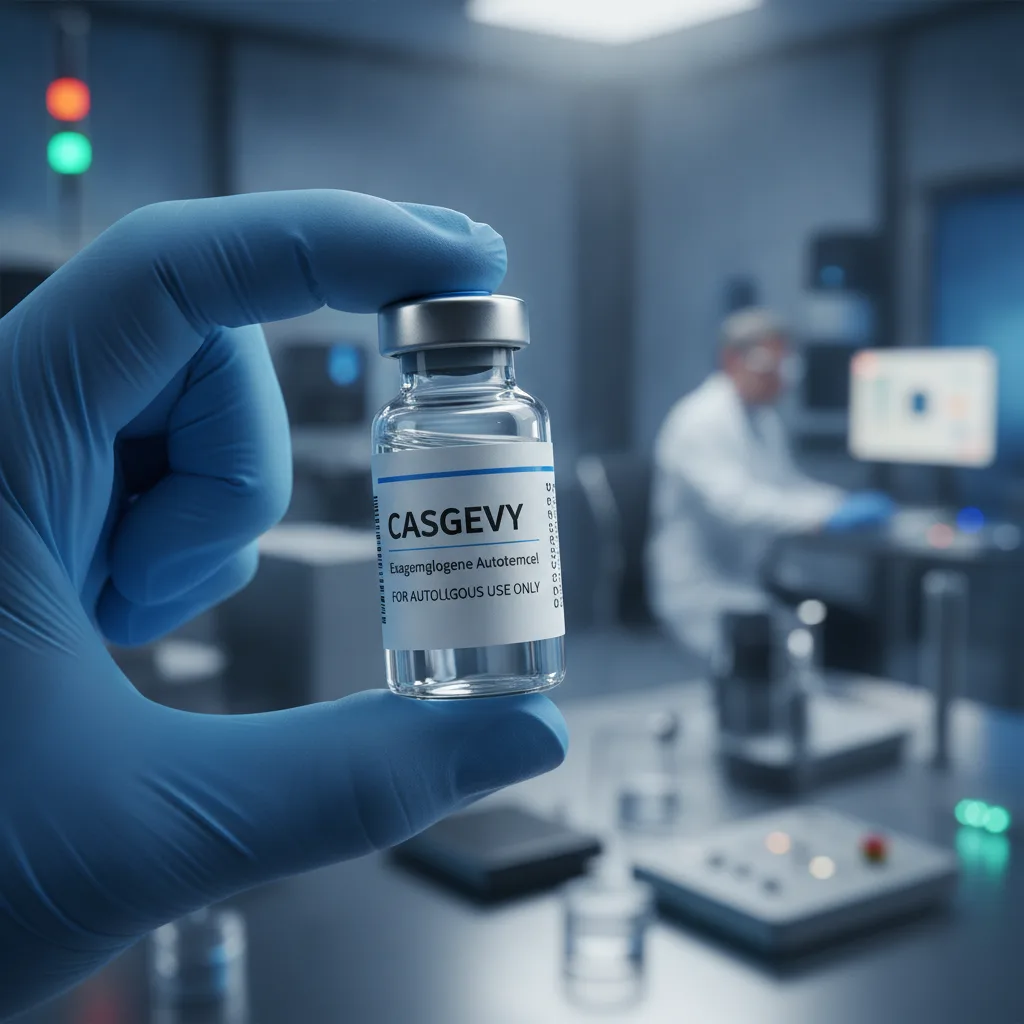
Casgevy, the first CRISPR-based gene therapy, was approved in late 2023 for sickle cell disease, marking a monumental scientific achievement. Despite its groundbreaking potential, the treatment's $2.2 million price tag per patient raises significant questions about accessibility for those who need it most. (AI-generated illustration)
Frequently asked questions
Will quantum computing be common by 2030? No. Quantum computers are still experiments, even with ongoing research. They won’t replace regular computers for daily tasks in the next seven years. They’re complex and only for special uses. So, most people won’t have them for a long time.
What about brain-computer interfaces (BCIs)? BCIs will probably have limited medical uses by 2030. They’ll help people who are paralyzed or have serious brain issues. Most consumers won’t use them. They’re invasive, raise safety questions, and have complex ethical problems.
Will we have flying cars by 2030? No. Flying cars for everyone won’t happen by 2030. Rules, huge infrastructure needs, and big safety worries make them impossible. Drone delivery might grow a little in certain places. But personal flying cars are far, far off.

A quantum computer, often housed in a distinctive gold-plated dilution refrigerator, operates at temperatures colder than deep space to leverage quantum-mechanical phenomena for complex calculations. While still experimental, these machines represent a frontier in computing, far from replacing everyday devices by 2030. (Source: reddit.com)
You might also like:
👉 Zuckerberg’s 2021 Meta: Why Your Virtual Self Isn’t Free
👉 Virtual Reality Applications: Exploring VR’s Impact Across Industries
👉 The Future of DeFi Protocols: Navigating Web3’s Financial Revolution