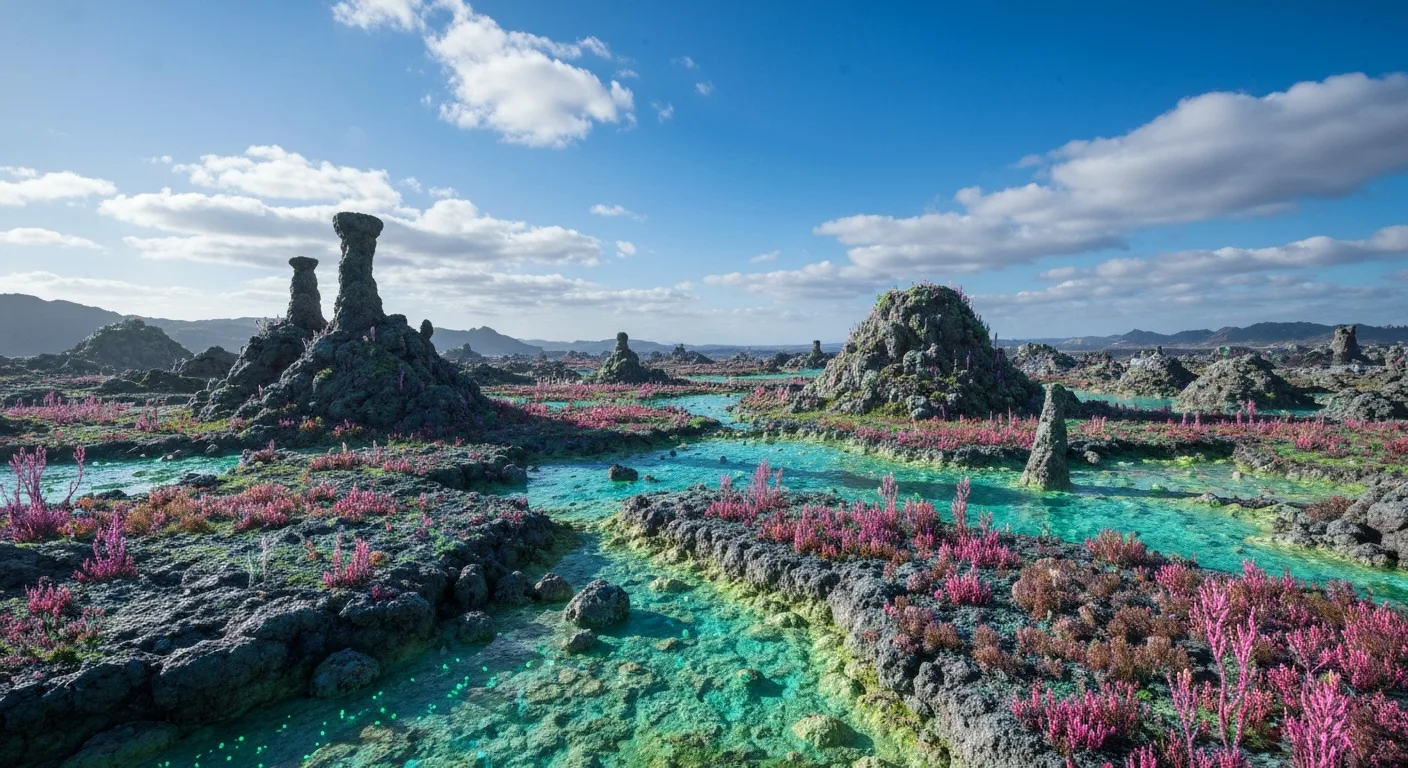
February 2023: Earth's Inner Core Has a New Deepest Layer
A February 2023 discovery by Australian National University scientists reveals a distinct, deepest layer inside Earth's inner core, challenging old ideas.
Earth’s Hidden Depths: New Discoveries Change Everything
Scientists recently confirmed a distinct, deepest layer inside our planet’s inner core. This February 2023 discovery challenges old ideas about Earth’s structure. Researchers at the Australian National University found this unknown region using seismic waves.
Earth science explores our planet’s physical makeup. It studies how its surface and interior change. This field also covers the atmosphere, oceans, and magnetic field. Scientists want to understand natural hazards and where resources are. They use seismic imaging, satellite data, and deep-sea exploration. This work helps us prepare for disasters and build climate models.
Geophysicists around the world work together on these difficult questions. Top institutions like Scripps, the European Space Agency, and the University of Tokyo lead many projects. Their discoveries often change how we think about Earth’s processes. They also give important data for environmental policies and managing resources.
A New Layer Inside Earth’s Core
Dr. Joanne Stephenson led the research team at the Australian National University. Their findings appeared in Nature Communications in February 2023. The team analyzed seismic waves from major earthquakes. These waves traveled through Earth’s center and returned to receivers.
They saw clear changes in wave speeds. These changes hinted at a different structure. The core’s innermost region has “anisotropic properties.” This means seismic waves move faster when traveling a specific way. It points to a unique crystal structure.
Old models said the inner core was a uniform, solid ball of iron-nickel alloy. This new data shows it’s more complex. The new layer stretches about 650 kilometers from the very center. It has a distinct alignment of iron crystals, different from the outer inner core.
Professor Kenji Tanaka from the University of Tokyo spoke about what this means. “This new insight helps us understand core formation,” Tanaka said in a press briefing. “It suggests a more active early Earth history.” The pressure and temperature at this depth are great. They reach millions of atmospheres and thousands of degrees Celsius.

Dr. Joanne Stephenson, a geophysicist at the Australian National University, led the research team that confirmed the existence of a distinct, deepest layer inside Earth's inner core, a discovery published in February 2023. (AI-generated illustration)
This layered structure might show different growth periods for the inner core. Each layer could represent different stages of Earth’s evolution. Understanding these layers helps us improve models of Earth’s magnetic field. That field protects our planet from solar radiation.
Plates Shift Faster, Deep Heat Stirs
Scientists at the University of Cambridge found a faster-than-expected plate movement. This new research changed how we think about plate tectonics. They published their results in Science Advances in March 2023. The Nazca Plate, off South America, shows rapid subduction.
Dr. Eleanor Vance, lead author, explained how they did it. “We used GPS data and seafloor mapping,” Vance reported. “This allowed precise measurement of plate velocities.” The Nazca Plate moves eastward up to 10 centimeters per year. This is among the fastest rates recorded globally.
This fast movement causes intense seismic activity. It leads to frequent earthquakes along the Andean subduction zone. The findings also change how we understand volcanic processes. Faster subduction sends more water into the mantle.
This water lowers rocks’ melting point. This creates more magma. It fuels the active volcanoes of the Andes Mountains. The study used data from the South American Geodynamic Observatory. This observatory has tracked crustal deformation since 2005. Its long-term data was important for the analysis.
More about mantle dynamics came from a study by the University of Texas at Austin. Researchers looked into where mantle plumes come from. These are columns of hot rock rising from the deep mantle. Their April 2023 report in Geophysical Research Letters offered new models.
They proposed plumes start from specific “pile-like” structures. These structures sit on top of the core-mantle boundary. Dr. Michael O’Hanlon called these Large Low-Shear-Velocity Provinces (LLSVPs). He explained, “These LLSVPs act as heat reservoirs.” They create the instability needed for plumes to form.
People argued about where plumes came from before. Some thought they were random hot spots. This new model shows a more organized structure. It links plume formation directly to these unusual deep mantle areas. This helps explain why volcanic hotspots like Hawaii exist.
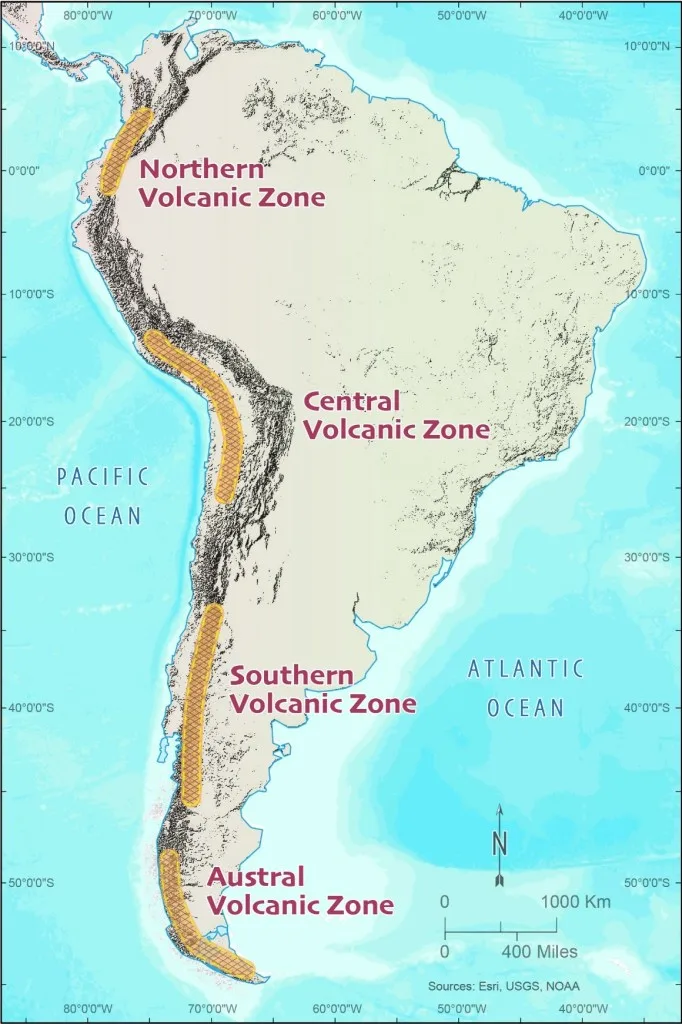
The active volcanoes of the Andes Mountains are directly fueled by magma created from the rapid subduction of the Nazca Plate, a key finding in new research on faster-than-expected plate movement. (Source: volcanocafe.org)
Hidden Worlds Under the Waves and Ice
Scientists from the Scripps Institution of Oceanography mapped huge areas of ancient ocean crust. This expedition revealed hidden worlds under the waves. Their expedition aboard the R/V Sally Ride finished in May 2023. They focused on the western Pacific Ocean.
Dr. Isabella Rossi led the expedition. Her team used multibeam sonar and remotely operated vehicles (ROVs). They found crustal fragments dating back over 180 million years. These fragments are far older than typical for existing ocean basins.
“These ancient rocks preserve early Earth conditions,” Rossi stated. They give clues about the planet’s tectonic past. The crust shows signs of unusual magmatic activity. This hints at different mantle processes in the Jurassic period. It changes how we understand seafloor spreading.
The expedition also found new deep-sea hydrothermal vents. These vents host unique ecosystems that thrive without sunlight. They use chemosynthesis, not photosynthesis. A preliminary report to the National Science Foundation detailed these findings. They show the ocean’s huge unexplored biodiversity.
Meanwhile, glaciological studies in Antarctica found surprising things. The British Antarctic Survey announced new subglacial lake discoveries in June 2023. Using ice-penetrating radar, they mapped several unknown water bodies. These lakes sit thousands of meters beneath the ice sheet.
Dr. Simon Hughes presented the findings at the International Glaciological Society Symposium. “These lakes are isolated for millennia,” Hughes explained. “They hold potential for unique microbial life.” The largest new lake measures 20 kilometers long. It sits beneath the East Antarctic Ice Sheet.
These subglacial environments are key to understanding ice sheet stability. They affect how ice flows. Water reduces friction where ice meets rock. This can speed up ice movement toward the ocean. This process adds to global sea-level rise.
The discoveries offer new targets for astrobiological research. These isolated, extreme environments on Earth are like conditions on other planets. They give us clues about life’s potential beyond our world. Future missions plan to sample these untouched water bodies.
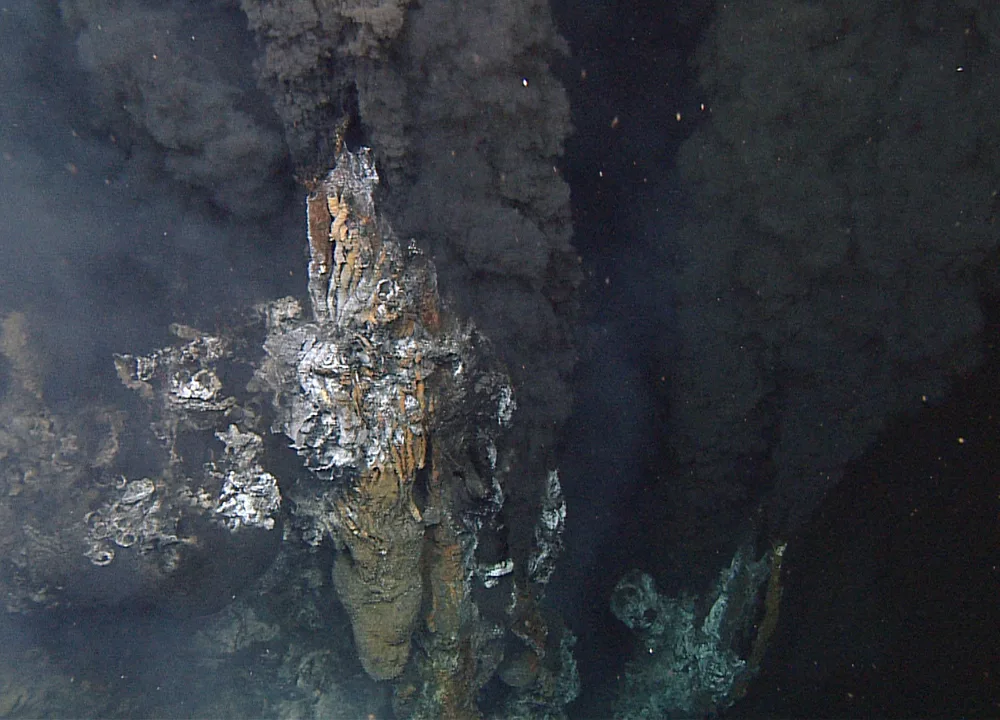
Deep-sea hydrothermal vents, often called 'black smokers,' host unique ecosystems that thrive without sunlight, using chemosynthesis instead of photosynthesis. These newly discovered vents offer clues about early Earth conditions and the ocean's unexplored biodiversity. (Source: livescience.com)
Frequently Asked Questions
What is Earth’s inner core made of? Earth’s inner core is primarily an iron-nickel alloy. It exists as a solid sphere due to great pressure. This core also contains lighter elements, though their exact makeup is still discussed.
How do scientists study Earth’s deep interior? Scientists use seismic waves from earthquakes. These waves travel through Earth and reveal its internal structure. Different materials and layers cause waves to change speed or reflect.
Why are plate tectonics important for Earth science? Plate tectonics explains many geological phenomena. These include earthquakes, volcanoes, and mountain building. It also drives the rock cycle and influences Earth’s climate over geological timescales.
What are subglacial lakes? Subglacial lakes are bodies of liquid water. They exist beneath ice sheets or glaciers. Geothermal heat and the insulating pressure of the ice keep the water from freezing.
What’s Next for Earth Exploration?
Earth science is advancing rapidly, as shown by these recent discoveries. New technology gives us clearer insights all the time. Satellite imagery, advanced seismic sensors, and autonomous deep-sea vehicles break new ground. We’re getting a fuller picture of our planet’s past and present.
Future research will bring these different findings together. Scientists will improve models of Earth’s evolution. They will also better predict natural hazards. This work helps us understand our planet’s changes, and it’s clear we still have so much to learn about our home.
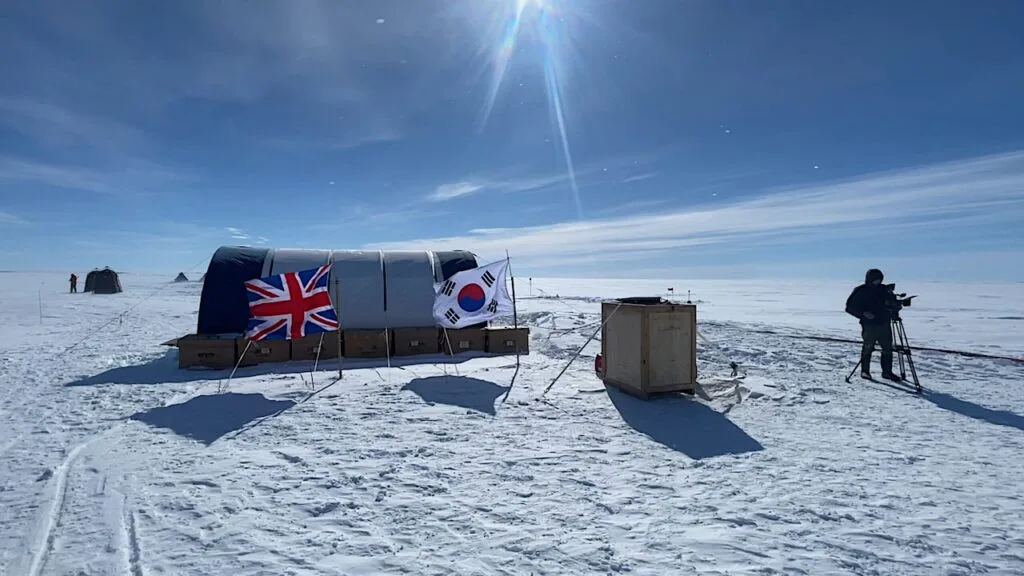
Subglacial lakes, like the famous Lake Vostok in Antarctica, are vast bodies of liquid water hidden beneath miles of ice. Kept from freezing by geothermal heat and immense pressure, these unique environments are explored by scientists using specialized drills, offering insights into extreme ecosystems and Earth's past climate. (Source: astrobiology.com)
You might also like:
👉 Unexplained Mysteries of Science: Cosmos, Quantum & Beyond