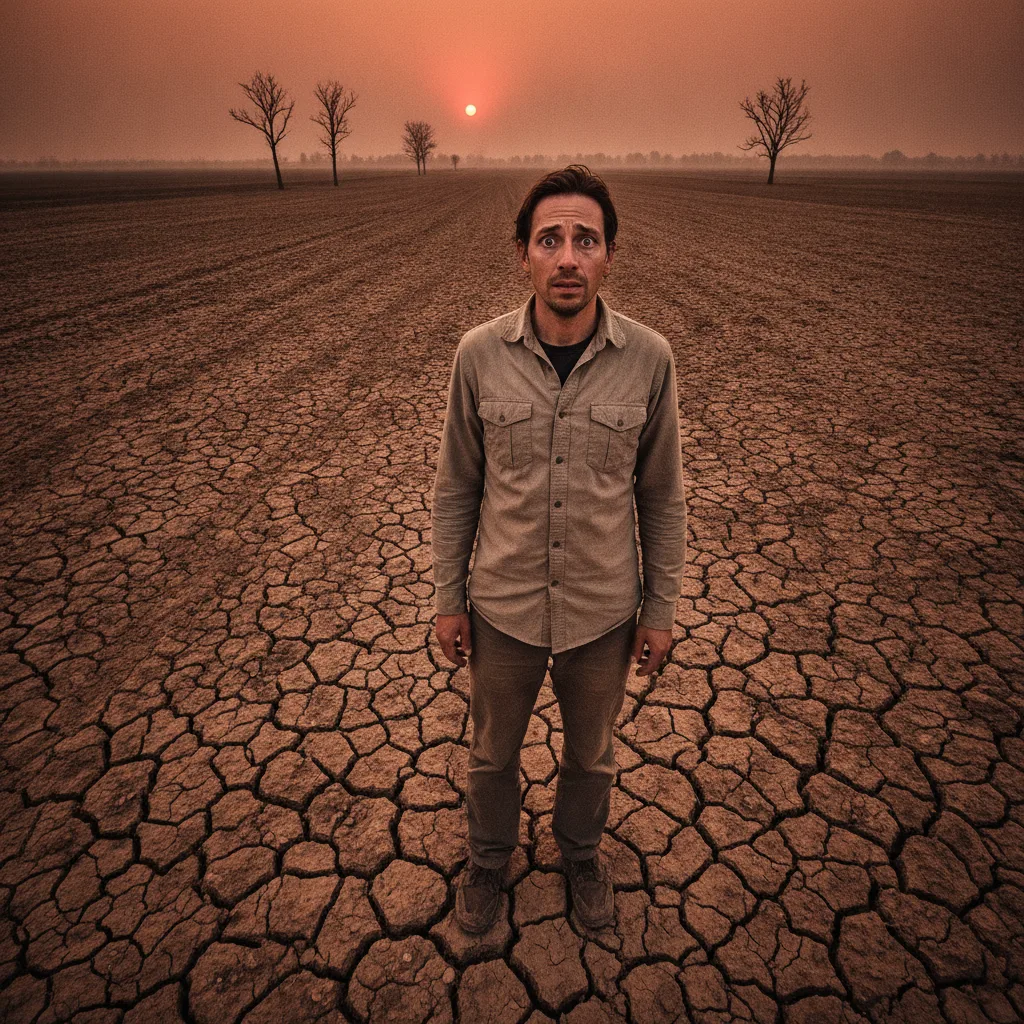
Your Mind on Climate: APA's 2017 Report's Missing Piece
The 2017 APA report linked climate change to mental distress like anxiety and PTSD. But does it simplify the true impact on global mental health?
Climate change and your mind: The real story
The American Psychological Association (APA) published “Mental Health and Our Changing Climate” in 2017. This report, with later updates, supported a common idea: climate change directly threatens global mental health. Many believe rising temperatures and extreme weather directly cause widespread distress. This includes anxiety, depression, and post-traumatic stress disorder (PTSD).
This view correctly identifies real impacts. But it simplifies a complex issue too much. Climate change acts as a stressor. Yet, it often worsens existing mental health problems, rather than causing new ones entirely. We need to look closer at the evidence.
What the headlines miss
The mainstream view rightly points out the direct psychological cost of climate events. Hurricane Katrina, which devastated New Orleans in August 2005, is a clear example. A 2007 study in the American Journal of Psychiatry found PTSD rates doubled. Serious mental illness quadrupled among survivors in affected areas. These are undeniable, acute responses to trauma.
The idea of eco-anxiety has also become common. It describes a chronic fear about environmental doom. A 2021 study of 10,000 young people across 10 countries found 59% were very or extremely worried about climate change. This study appeared in The Lancet Planetary Health. But eco-anxiety, while a real concern, isn’t usually a clinical diagnosis. It’s a valid emotional response, often different from diagnosable disorders like generalized anxiety disorder.
Focusing only on direct causes misses bigger mental health problems. Many communities worldwide already struggle with severe mental health issues. These come from poverty, conflict, and poor healthcare. Climate impacts often make these existing weaknesses worse. It’s important to understand this context.
Disaster hits: Unequal burdens
Extreme weather events certainly trigger immediate mental health crises. Floods, wildfires, and heatwaves cause deep loss, displacement, and trauma. After the devastating Black Saturday bushfires in Victoria, Australia, in February 2009, studies reported more psychological distress for years among survivors. Dr. Susie Burke, a senior psychologist at the Australian Psychological Society, has noted these long-term community impacts.
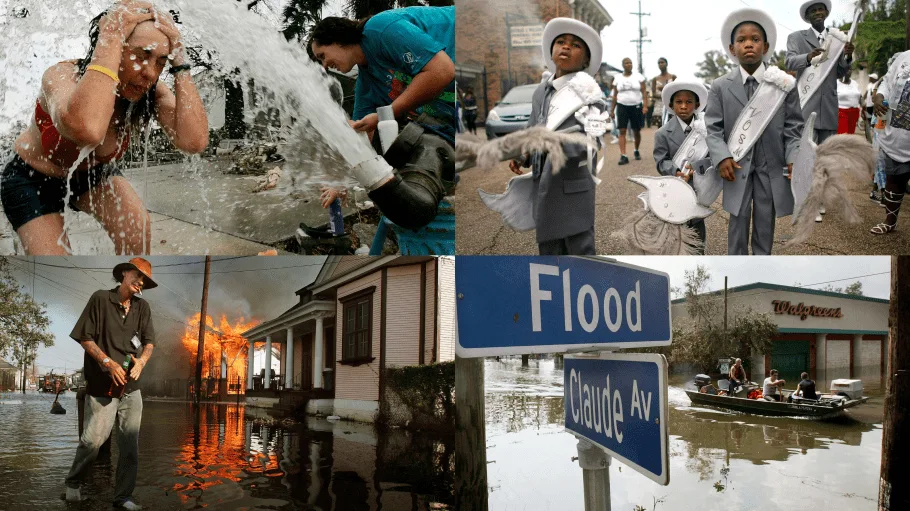
Hurricane Katrina, which devastated New Orleans in August 2005, serves as a stark example of climate change's direct psychological cost, with studies showing PTSD rates doubled and serious mental illness quadrupled among survivors. (Source: vibe.com)
These direct impacts don’t hit everyone equally. Vulnerable groups suffer more. A 2019 study in Nature Climate Change showed that low-income communities, Indigenous populations, and the elderly often lack resources. They can’t prepare for or recover from disasters effectively. For example, Indigenous communities in the Arctic face particular trauma. This comes from rapid changes to their ancestral lands and traditional ways of life. Losing this culture is a major mental health stressor.
Research in the Journal of Affective Disorders in 2017 showed a clear link. Flood exposure led to higher rates of depression and anxiety in affected UK communities. These aren’t abstract fears. They are concrete psychological injuries from direct environmental disasters. But the recovery process and available support systems strongly affect long-term outcomes.
Why money and society matter
World Health Organization (WHO) data shows that roughly one in eight people lived with a mental disorder in 2019. That’s 970 million people worldwide. This existing problem is huge. Climate change often worsens these vulnerabilities, rather than creating new mental health problems from scratch.
Think about food insecurity and mental well-being. Long droughts, made worse by climate change in places like the Sahel, destroy crops. This causes food shortages and economic hardship. A 2020 study in Environmental Research Letters found that in parts of Sub-Saharan Africa, food insecurity better predicted distress than direct heat exposure. Here, climate change acts as a “threat multiplier,” as psychiatrist Dr. Jessica Gold of Washington University in St. Louis explains.
Mass displacement is another big factor. Climate-related disasters forced 37 million children to flee their homes in 2020-2021. This is according to a 2021 UNICEF report. The trauma of migration itself, no matter the cause, is huge. Losing community, economic instability, and an uncertain future strongly cause anxiety and depression. Climate change adds a layer to these existing stressors, instead of creating them entirely.
In conflict-prone regions like Syria or Yemen, resource scarcity caused by climate change can make existing tensions worse. A 2022 report by the International Crisis Group showed how water shortages worsen local disputes. The resulting violence and instability are major causes of mental ill-health. They are much bigger than many direct environmental impacts. Climate change’s effects combine with existing geopolitical and social systems.

Millions of children worldwide are forced to flee their homes due to climate-related disasters like floods and droughts. This mass displacement, as highlighted by a 2021 UNICEF report, inflicts profound trauma, loss of community, and economic instability, significantly impacting their mental health. (AI-generated illustration)
How communities adapt and cope
Discussions often focus only on the negative mental health impacts of climate change. This view sometimes misses human and community strength. After severe droughts in rural Australia during the 2000s, researchers saw more distress among farming communities. Yet, these communities also developed strong ways to cope and built solid social support networks.
Dr. Susie Burke of the Australian Psychological Society points out that climate impacts are real. But community-led coping strategies can build mental strength. These include peer support groups, better access to rural mental health services, and community programs for resilience. The focus shifts from individual problems to collective well-being.
Policy choices greatly affect mental health outcomes. Investing in mental health infrastructure, social safety nets, and community-based disaster preparedness can lessen climate stress. The Intergovernmental Panel on Climate Change (IPCC) Sixth Assessment Report (2022) specifically recommends mental health be part of climate adaptation plans. This recommendation highlights a gap: climate policy often overlooks mental health.
For example, early warning systems for extreme weather, combined with accessible evacuation plans, can reduce anxiety and loss. Post-disaster mental health support, including psychological first aid and long-term therapy, is essential. These aren’t just about climate change. They are basic public health initiatives that become even more important as the climate shifts. Strong public services reduce how bad mental health problems get.
It’s not just climate: A bigger picture
The 2023 United Nations World Social Report emphasized that climate change hits the poorest and most vulnerable populations hardest. This shows a main point: climate change is a major stressor and a “threat multiplier” for mental health. But it doesn’t act alone. It mixes with and makes existing inequalities worse.
Existing socio-economic instability, poor healthcare access, and unfair systems often affect mental well-being more strongly than climate impacts alone. Climate change makes the problems worse in already weak systems. To properly address mental health, we must tackle both the environmental crisis and these root societal problems.
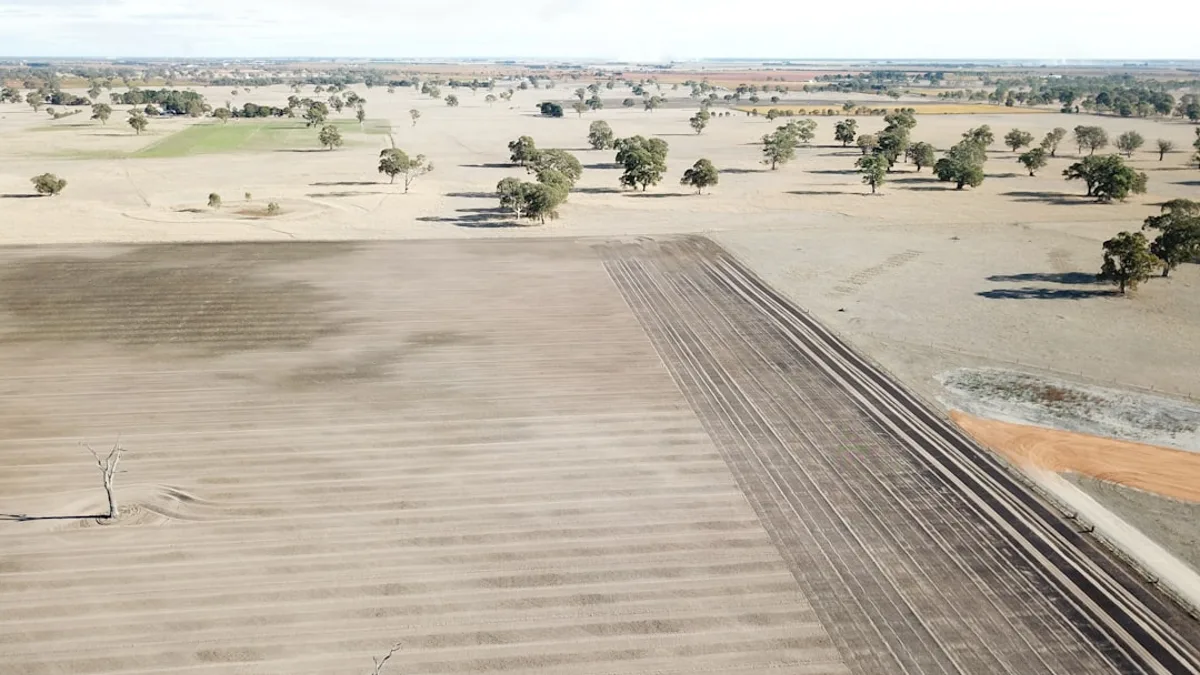
The severe droughts that gripped rural Australia in the 2000s caused immense distress among farming communities, highlighting the direct link between climate impacts and mental health. Despite the hardship, these communities also developed robust coping mechanisms and strong social support networks, demonstrating resilience. (Photo: Charles G / Unsplash)
Dr. Gary Belkin, a psychiatrist and former Executive Deputy Commissioner for Mental Hygiene in New York City, says climate change should be viewed through a public health perspective. This approach sees system weaknesses. It means addressing social factors that shape health, alongside efforts to reduce climate change and adapt to it.
Ultimately, effective responses need combined solutions. This includes strong climate action to reduce future impacts, plus making social systems stronger. Investing in universal healthcare, poverty reduction programs, and strong mental health services builds resilience. This approach, based on evidence and systems, goes beyond simple explanations. It helps us address the full range of human well-being in a changing world.
FAQ
Q1: Is “eco-anxiety” a recognized clinical diagnosis? No, “eco-anxiety” is not a formal clinical diagnosis in the DSM-5. It describes a real, growing emotional response to climate change. It can, however, contribute to or worsen diagnosable conditions like generalized anxiety disorder or depression.
Q2: How do indirect climate impacts affect mental health? Indirect impacts include food insecurity, forced migration, economic instability, and resource conflicts. These factors disrupt livelihoods and communities. They create chronic stress, trauma, and a sense of helplessness, greatly contributing to mental health problems.
Q3: Are certain groups more vulnerable to climate-related mental health issues? Yes, low-income communities, Indigenous populations, children, the elderly, and people with pre-existing mental health conditions are often more vulnerable. They often lack resources for adapting, recovering, and getting mental health support. Existing inequalities increase their risks.
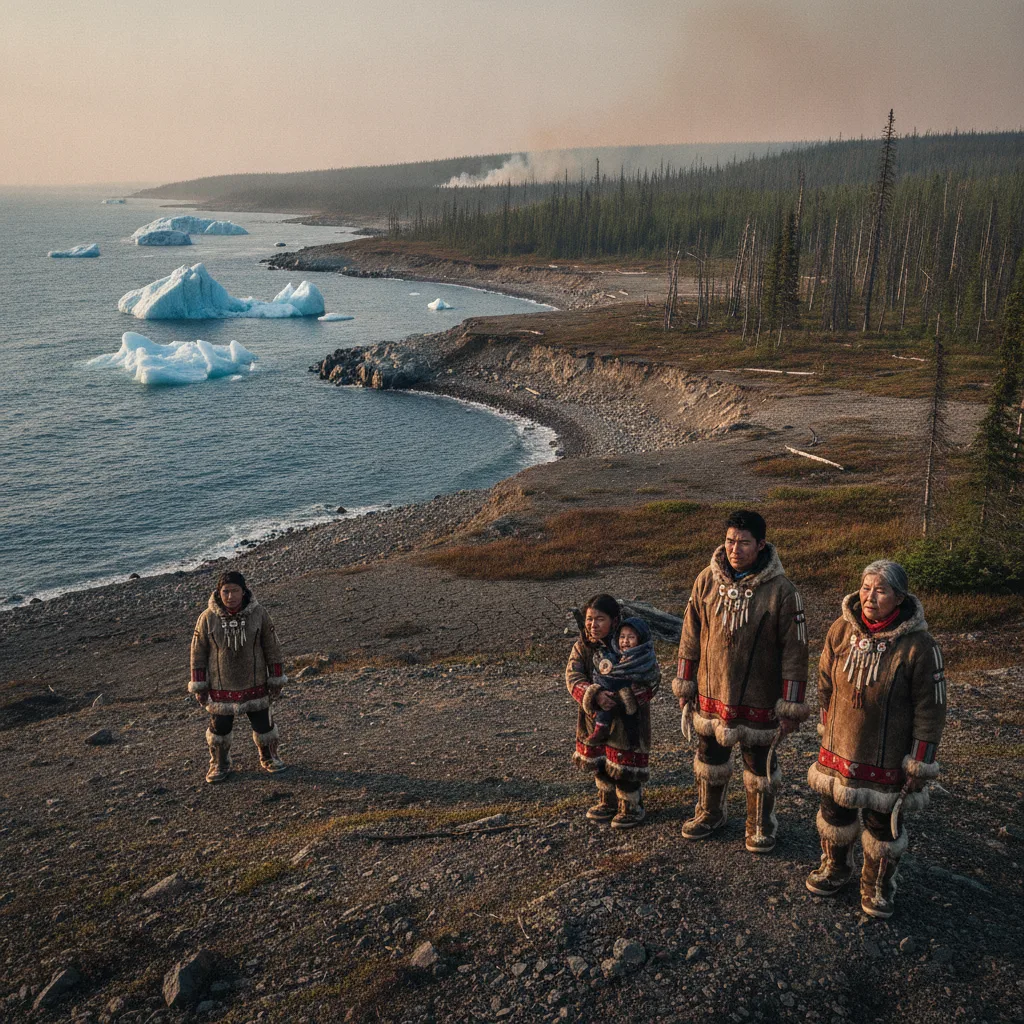
Indigenous communities worldwide, deeply connected to their ancestral lands and traditional ways of life, are disproportionately affected by climate change, leading to increased rates of eco-anxiety, loss of cultural identity, and other mental health challenges. (AI-generated illustration)
You might also like:
👉 WHO 2019: 1 in 8 Global Mental Disorder. Is it a crisis?
👉 Super El Niño 2026 Predictions: Global Impact & What to Expect